Quick answer
When is alloy wheel refurbishment worth discussing?
This service is intended to assess cosmetic damage, corrosion and distortion before choosing refinishing, repair or replacement. A symptom is a reason to inspect the vehicle; it is not automatic proof that a major component should be replaced.
Assessment evidence for alloy wheel refurbishment
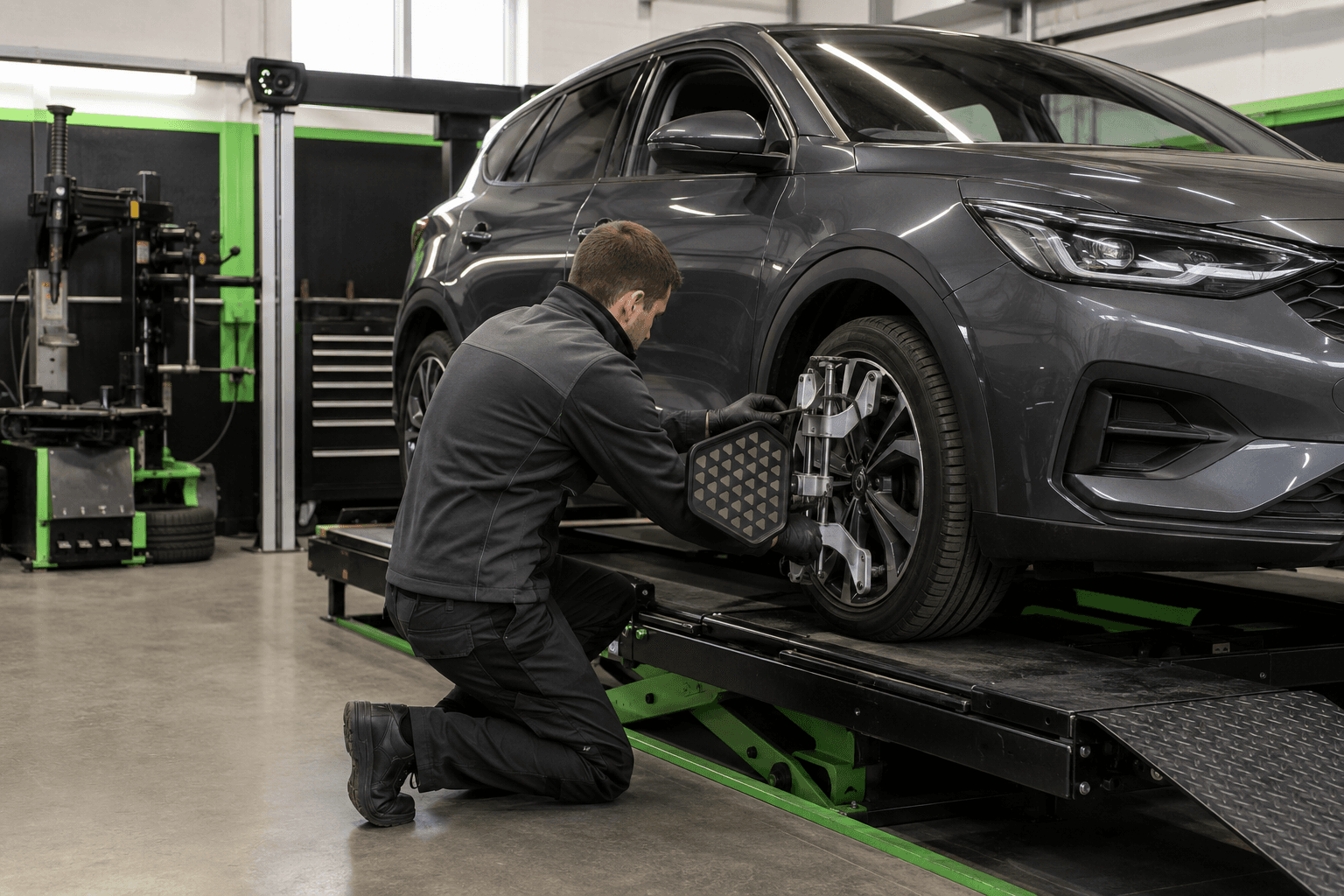
The first checks may include kerb damage and coating failure, corrosion and air leakage, cracks, buckles and run-out, previous repair and wheel specification. The exact sequence follows the customer's complaint and vehicle rather than a universal parts-replacement checklist.
Cosmetic refurbishment cannot make every cracked, severely bent or previously weakened wheel safe. The workshop should be able to explain which observation supports the proposed next step and which uncertainty remains.
Repair and replacement options
The possible routes include cosmetic preparation and refinishing, specialist straightening where suitable, repair subject to safety assessment, replacement where integrity is uncertain. Suitability depends on the inspection, vehicle specification, access and the condition of surrounding components.
- Inspect the wheel for repair suitability
- Prepare and restore the surface
- Refinish and check the completed wheel
What affects price and workshop time?
Important cost variables include wheel size and finish, number of wheels, corrosion and coating removal, diamond-cut or specialist finish, tyre removal and balancing. A useful quotation states what is confirmed, which parts and materials are included and how further findings will be authorised.
Timing can change because of stripping and preparation, repair assessment, coating and curing, tyre refitting. Ask whether the booking is for inspection, diagnosis or completed repair and whether the vehicle may need to remain at Arnold Lane.
What to provide before booking
Send send full-face and close photographs, state whether air is lost, mention vibration, identify finish type if known. Include the exact conditions that trigger the concern and any relevant photographs or dashboard wording.
Safety: Do not drive on a cracked wheel, severe buckle, rapid pressure loss or damage affecting tyre seating.
Aftercare and service records
After the work, ask what was confirmed, what was completed, which checks were carried out and what remains advisory. Relevant aftercare includes use suitable wheel-cleaning products, monitor pressure, avoid harsh contact during coating cure.
Priority areas for alloy wheel refurbishment
These nearby pages add local booking and travel context while the technical service information remains on this parent page. All point to the single workshop at 129 Arnold Ln, Gedling, Nottingham NG4 4HF.